
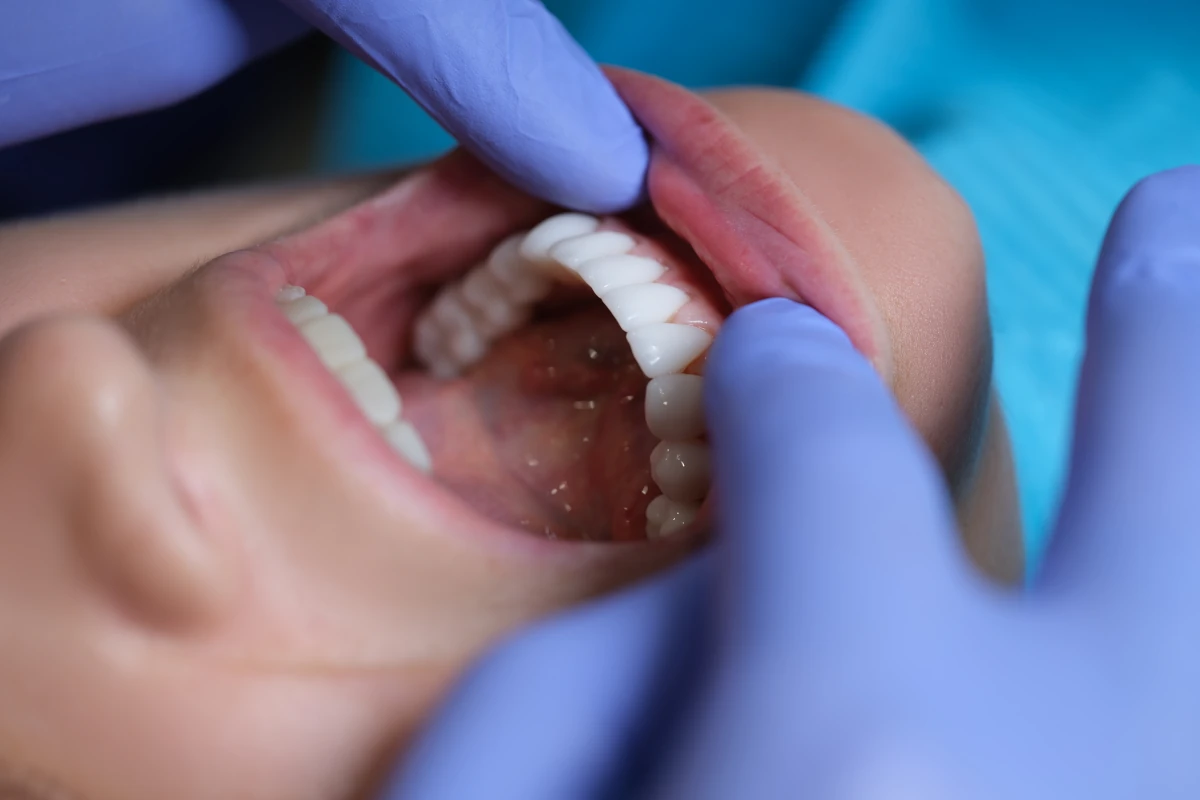
Considering All-on-4 dental implants but dealing with oral health issues like dry mouth, mouth sores, or autoimmune conditions? You’re not alone. Many patients wonder if these health concerns will affect their eligibility or outcomes with full-arch implants. This article breaks down what you need to know to make an informed decision, including the role of your medical history, how symptoms may affect healing, and how you can improve your chances of success.
Can You Get All-on-4 Dental Implants If You Have Autoimmune Conditions?
Autoimmune conditions like lupus, Sjögren’s syndrome, and rheumatoid arthritis can cause chronic inflammation and impair the body’s healing process, two factors that are critically important for dental implants. These conditions may not automatically disqualify you from getting All-on-4 implants, but they require careful pre-surgical planning and close collaboration with your healthcare providers.
Patients with autoimmune conditions often take immunosuppressive medications that may delay healing or increase infection risk. Your dentist and medical team will evaluate whether your condition is well-managed and whether any medications might need to be paused or adjusted around the time of surgery. Open communication between your oral surgeon and physician is essential.
What About Chronic Dry Mouth (Xerostomia)?
Dry mouth, or xerostomia, can be more than just uncomfortable—it can significantly affect your oral health. Saliva is crucial in keeping the mouth clean, neutralizing acids, and preventing bacterial overgrowth. Patients with dry mouth, especially those caused by medications or autoimmune diseases, have an increased risk of gum disease and oral infections.
For patients considering All-on-4 dental implants, dry mouth can contribute to peri-implantitis, a type of infection around the implant. This is why treating the underlying causes of dry mouth and using therapeutic mouth rinses or artificial saliva products may be recommended before moving forward with implant placement.
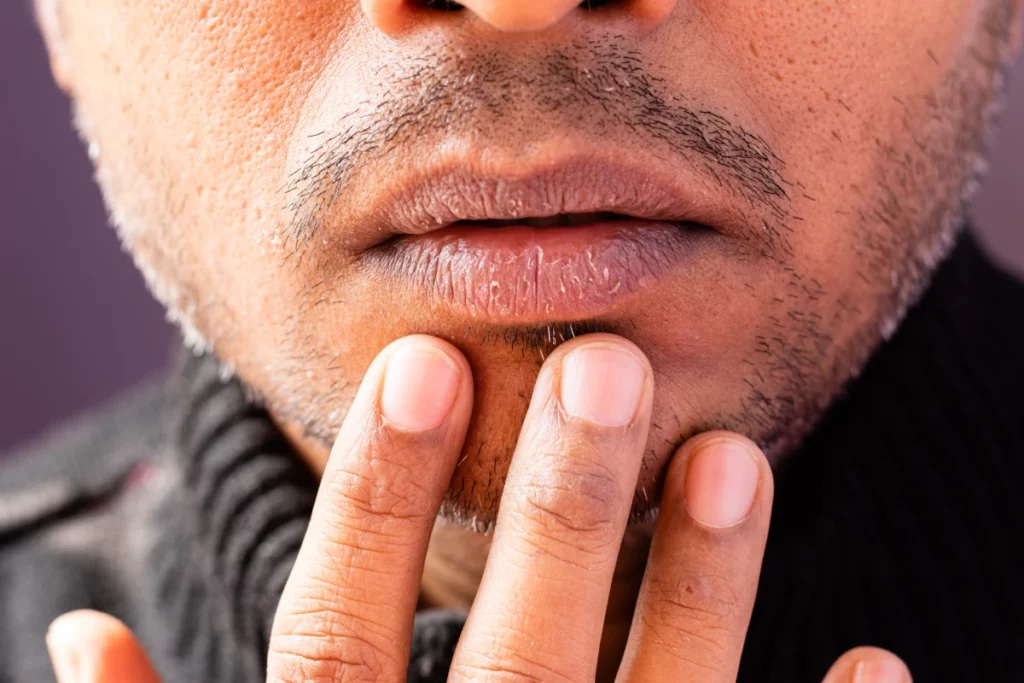
How Do Mouth Sores Affect the Healing Process?
Recurring mouth sores—from autoimmune issues, ill-fitting dentures, or other irritants—can compromise the health of the soft tissues in your mouth. This becomes a concern when healing after implant surgery, as inflammation or trauma around the surgical site can interfere with the integration of the implants into the bone.
If you suffer from frequent sores or ulcers, your dental team may delay surgery until your oral tissues are healthier. Additionally, they may prescribe medicated rinses or topical treatments to reduce inflammation and prepare your mouth for the best surgical outcome.
Tips to Prepare for Implant Surgery with Autoimmune or Oral Conditions
Even with autoimmune challenges or oral symptoms, many patients can still be candidates for All-on-4 dental implants. Success begins with preparation:
- Share your complete medical and medication history
- Manage dry mouth symptoms with saliva substitutes and hydration
- Control systemic inflammation with your medical provider
- Address active oral infections or sores before surgery
- Consider blood tests or additional health screenings pre-op
In some cases, adjustments can be made to the surgical plan or healing timeline to accommodate your condition. Regular follow-ups and long-term maintenance are crucial for this patient group.
Final Thoughts: Is All-on-4 Still an Option?
While conditions like dry mouth, mouth ulcers, or autoimmune disorders present additional challenges, they don’t automatically rule out the All-on-4 dental implant procedure. Many patients with these issues find that fixed implants offer improved comfort and function compared to traditional dentures.
The key is working closely with your dental and medical teams to create a plan tailored to your health needs. With the proper precautions and care, you can experience successful, long-lasting results from All-on-4 dental implants—even with complicating oral or autoimmune conditions. Call (833) 454-4579 to schedule your consultation today.