

The All-on-4 dental implant treatment concept has transformed how dentists restore the smiles of many patients. Backed by years of follow-up in multiple clinical studies, this innovative approach offers a high success rate, predictable survival rate, and a cost-effective solution compared to traditional implants. For patients facing complete tooth loss, the All-on-4 implant procedure provides a stable, fixed prosthetic solution without the need for bone grafting in most cases.
In this guide, we’ll break down the latest research, examine real-world outcomes from longitudinal studies, and explain what affects the success rate over 5–18 years of follow-up, and even longer.
What Is the All-on-4 Treatment Concept and How Does It Work?
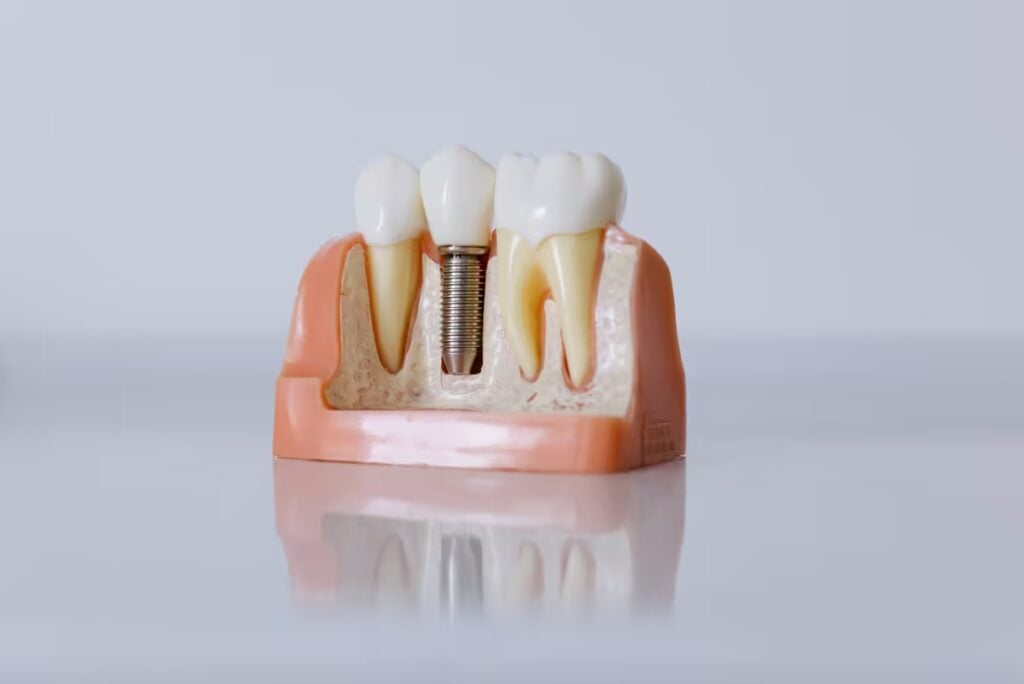
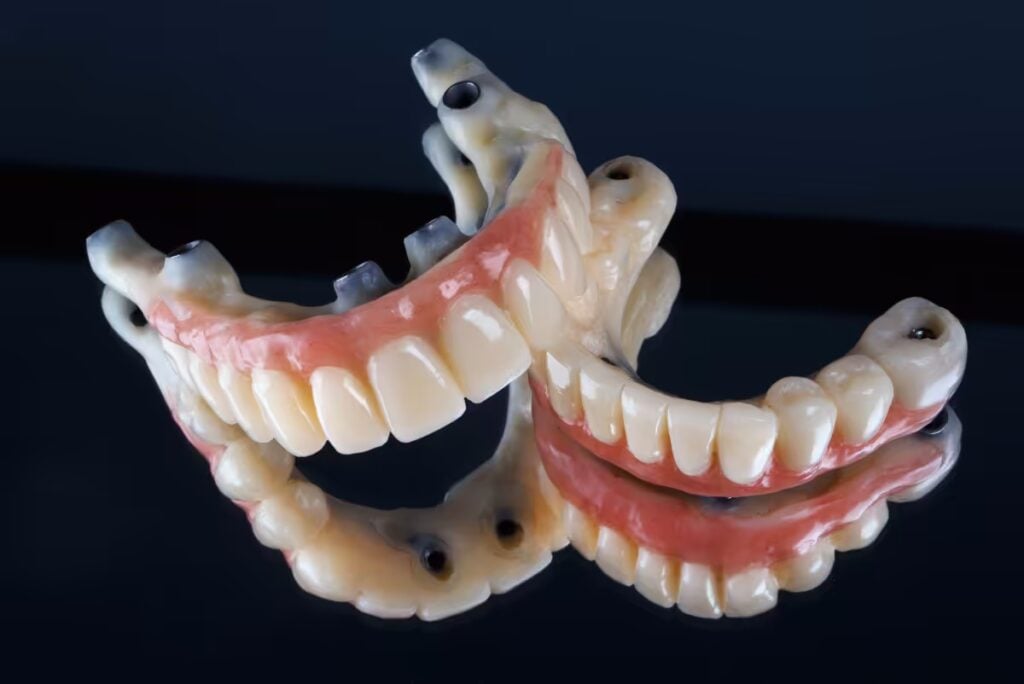
The All-on-4 concept, also known as the all-on-four treatment, is a proven implant dentistry method designed for the rehabilitation of the completely edentulous mandible and maxilla. Using just four dental implants—two placed axially in the anterior and two tilted implants in the posterior—dentists can support a full arch fixed prosthesis without bone grafting. This treatment concept significantly reduces surgical complexity and recovery time.
Unlike traditional dental implants that often require more implants to support the prosthetic, the All-on-4 implant approach strategically distributes bite forces across the 4 implant foundation. This allows for immediate function, meaning patients can often receive a temporary prosthesis the same day the implants are placed.
The system implants for completely edentulous jaws are typically made from titanium or zirconia, chosen for their strength and biocompatibility. Over time, osseointegrated implants form a stable bond with surrounding bone, creating a long-term, reliable foundation for the prosthesis.
What Do Clinical Studies Say About the Success Rate?
Multiple clinical studies and retrospective studies have evaluated the All-on-4 dental implant success rate over varying lengths of time. According to one study, survival and success rates are consistently high, often exceeding 95% over 5–13 years of follow-up.
One systematic review and meta-analysis reported that the survival rate was 98.8% for implants placed in the mandible and 95–97% for maxillary implants. Another found the rate was 99.2% over 10 years of follow-up. Such high success rates are attributed to the careful placement of the implants, optimal prosthetic design, and adherence to oral hygiene protocols.
Longitudinal study data, some covering 18 years of follow-up, show that when placed implants are well maintained, they can provide stable function and aesthetics for decades. These results reinforce that All-on-4 dental implants provide long-term success for patients.
How Does All-on-4 Compare to Traditional Implants?
Traditional implants often require more than four implant placements per arch, bone grafting, and longer treatment timelines. The All-on-4 concept reduces the number of implants needed to support a full arch (only four dental implants), minimizing surgical interventions and costs.
Additionally, All-on-4 immediate-function protocols allow patients to leave with fixed prostheses the same day, whereas traditional dental implants often require months before final prosthetic loading. For patients, this immediate functionality can dramatically improve quality of life.
From a cost perspective, using the All-on-4 concept can be more economical because fewer implants are needed, less surgical time is involved, and prosthetic fabrication is streamlined.
What Happens if an Implant Fails?
Although implant failure is rare with All-on-4, it can occur due to factors like poor oral hygiene, smoking, uncontrolled diabetes, or excessive force around the implant. If one implant fails, the dentist may replace it, adapt the prosthesis, or—in some cases—place zygomatic implants or pterygoid implants to maintain stability.
Prompt intervention is essential when an implant fails. Dentists trained in implant dentistry can manage complications effectively, ensuring the survival rate remains high.
Most importantly, adherence to follow-up visits and maintaining oral hygiene significantly reduces the risk of implant failure.
Is Bone Loss a Concern with All-on-4?
Bone loss is a natural process after tooth loss, but All-on-4 implants help preserve bone by transferring chewing forces into the jawbone, stimulating it much like natural teeth. Clinical studies show minimal bone loss surrounding the implants over 10 to 18 years when placed and maintained correctly.
The strategic use of tilted implants in the posterior region allows placement in areas of higher bone density, minimizing the need for bone grafts and further reducing the risk of long-term complications.
Patients with completely edentulous mandibles or maxillae benefit from this design, as it optimizes available bone and maintains facial structure.
Who Is a Good Candidate for the All-on-4 Implant Procedure?
The ideal candidate for All-on-4 dental implants includes those facing imminent tooth loss. This treatment is also suited for individuals dissatisfied with dentures who want a fixed prosthetic alternative and to gain confidence in themselves and their smile again.
Candidates should have good general health, no uncontrolled systemic conditions, and adequate bone structure for implant placement. However, the All-on-4 concept is adaptable, and even patients with advanced bone loss may be candidates thanks to axial and tilted implants, as well as options like zygomatic or pterygoid implants.
A consultation with our experts is advised to determine if All-on-4 is the right choice.
How Does Prosthetic Maintenance Affect Results?
The prosthetic component of the All-on-4 treatment requires periodic maintenance to ensure longevity. Fixed prostheses should be checked regularly for wear, screw loosening, and acrylic or ceramic chipping.
Regular visits to the dentist allow for early intervention, which can prevent minor issues from affecting the survival rate. Maintenance also includes patient education on cleaning around the implant-supported prosthesis, which is critical to avoiding peri-implant disease.
By following professional and at-home care routines, patients can preserve the function and aesthetics of their All-on-4 dental restoration for decades.
How to Get Started with All-on-4
Getting All-on-4 dental implants begins with a comprehensive evaluation, including diagnostic imaging, medical history review, and treatment planning. The dentist will determine the optimal placement of the implants to support a fixed prosthesis and ensure long-term stability.
The implant surgery is typically performed under local anesthesia with sedation. Implants are placed, impressions taken, and a temporary fixed dental prosthesis delivered the same day. After a healing period, the final prosthetic is fabricated and delivered.
Patients choosing All-on-4 benefit from a streamlined treatment timeline, fewer surgeries, and a dramatic improvement in quality of life.
Schedule Your Consultation
If you are ready to transform your smile with the All-on-4 dental implant treatment concept, call All-on-Four Dental Implant Centers today at (833) 454-4579 to book your consultation.