
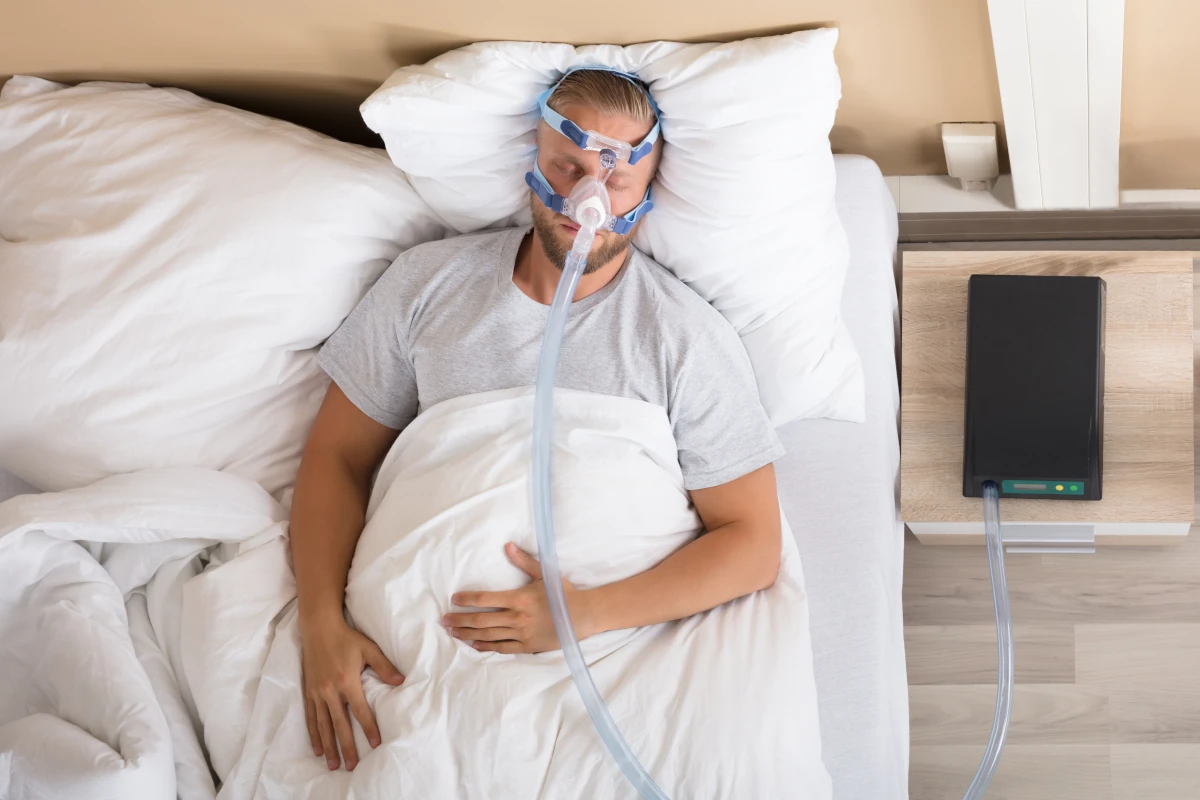
If you have sleep apnea and are considering All-on-4 dental implants, you’re likely wondering whether the condition could interfere with treatment. Many patients with obstructive sleep apnea (OSA) also suffer from dental issues like missing teeth, worn-down enamel, or ill-fitting dentures, making them prime candidates for full-arch implant solutions like All-on-4. But how does sleep apnea affect the implant process, and what should you be aware of before surgery?
Here’s what you need to know if you’re navigating both sleep apnea and dental implant treatment.
Does Sleep Apnea Affect Your Suitability for All-on-4?
Sleep apnea itself doesn’t disqualify you from receiving dental implants, but it can introduce some important considerations. Obstructive sleep apnea is often associated with:
- Bruxism (teeth grinding)
- Dry mouth from mouth breathing
- Inflammation of the airway and oral tissues
- Higher risk of cardiovascular and systemic issues
All of these factors can affect the healing process and long-term stability of implants. Your dental provider will likely work closely with your sleep specialist or primary care doctor to evaluate your overall health and make an appropriate treatment plan. We can make this treatment plan in-house at All-on-Four Dental Implant Center for you.
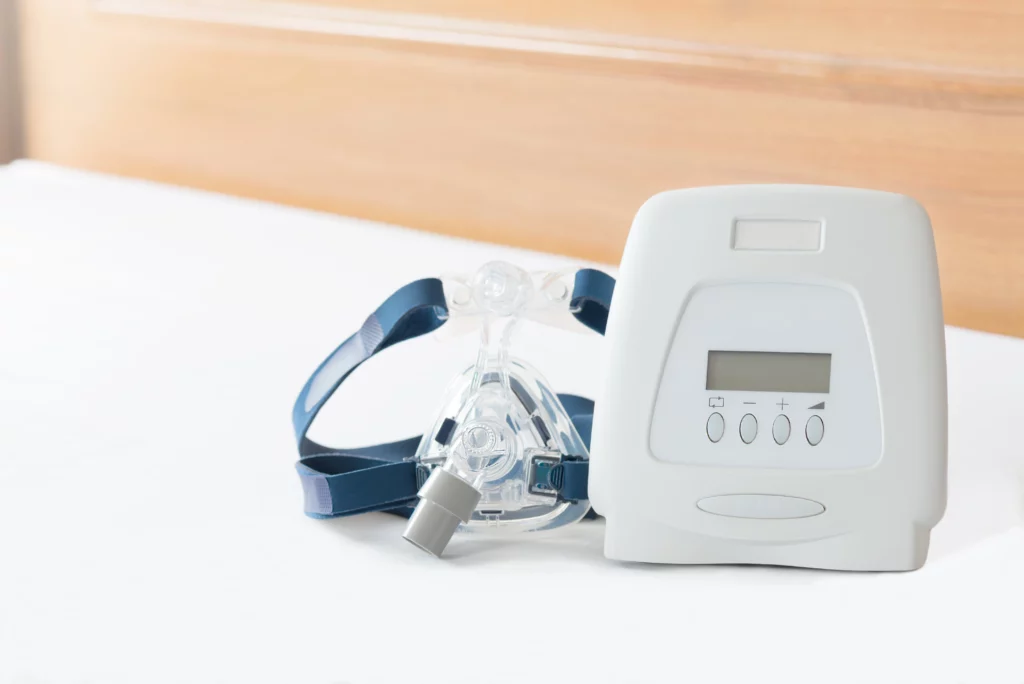
Will CPAP Use Impact Healing After All-on-4 Surgery?
For many patients with OSA, using a CPAP (continuous positive airway pressure) machine is a critical part of nightly sleep hygiene. However, after implant surgery, the pressure from your CPAP mask may irritate the mouth and jaw or stress healing tissues, especially if you use a full-face mask that presses against the cheeks.
To reduce complications, your dentist may recommend:
- Taking a short break from CPAP use immediately after surgery
- Switching to a nasal pillow-style CPAP mask that reduces oral pressure
- Coordinating care with your sleep specialist to manage apnea during recovery
Proper healing is essential for implant integration, so adjustments to your CPAP routine may be needed in the short term.
Is There a Connection Between Sleep Apnea and Tooth Loss?
Yes. There’s a growing body of evidence suggesting that untreated sleep apnea may increase the risk of tooth loss and gum disease. Chronic mouth breathing can dry out the oral tissues, alter the pH of the mouth, and reduce saliva flow—all of which make it easier for harmful bacteria to thrive.
Patients with sleep apnea may also be more likely to grind or clench their teeth at night, contributing to wear and damage that leads to tooth loss. In this way, sleep apnea can be both a cause and a complicating factor in the path to needing dental implants.
Tips for Success with All-on-4 When You Have Sleep Apnea
If you have sleep apnea and are planning All-on-4 treatment, here are some ways to support a successful outcome:
- Let your dentist know about your diagnosis and CPAP use
- Discuss mask style and fit to minimize oral tissue pressure
- Maintain excellent oral hygiene, especially if you deal with dry mouth
- Consider using a humidifier with your CPAP machine to ease dry mouth symptoms
- Follow your dental team’s instructions closely during the healing period
With careful planning and communication, patients with sleep apnea can enjoy excellent results from their All-on-4 implants.
Final Thoughts: Can You Get All-on-4 with Sleep Apnea?
Absolutely. Sleep apnea may require some adjustments to your dental implant journey, but it doesn’t mean you’re not a candidate. In fact, many patients with OSA find that fixed implant-supported teeth improve their quality of life by offering better stability, function, and comfort, especially if dentures have been contributing to poor sleep or jaw discomfort.Talk to us if you’re concerned about how sleep apnea might affect your implant procedure. A personalized plan, made in consultation with All-on-Four Dental Implant Center, can help you achieve a successful, healthy smile without compromising your sleep health. Call (833) 454-4579 to schedule your consultation today.